Hemp-Derived THCA Products 101: Dosage, Effects, and Expectations
Hemp-derived THCA products sit in a weird middle ground that frustrates people at first. The label says “THCA,” the marketing often references THC-like experiences, and yet the product may show up in everyday retail spaces where you expect something gentler. The result is a lot of guesswork, and guesswork is how people end up either underwhelmed or accidentally over their comfort zone.
I’ve learned to treat THCA the way I treat any cannabinoid with dose sensitivity: start grounded, track what happens, and don’t assume the same outcome from two different brands. THCA can be smooth for some people, intense for others, and unpredictable when the product mix changes. The good news is that you can get very consistent results if you handle dosing and expectations carefully.
This guide is about hemp derived thca products in practical terms: what dosage means in the real world, what effects people commonly report, what you can reasonably expect from first-time use, and what details matter when you are shopping for thca products near me or figuring out what “best thca products” actually means for your situation.
What THCA is, and why it behaves differently than people expect
THCA stands for tetrahydrocannabinolic acid. It’s the acidic, non-intoxicating precursor to delta-9 THC. In plant terms, THCA is what shows up naturally. When THCA is heated or otherwise decarboxylated, it can convert into THC, which is the compound most people associate with the classic “high.”
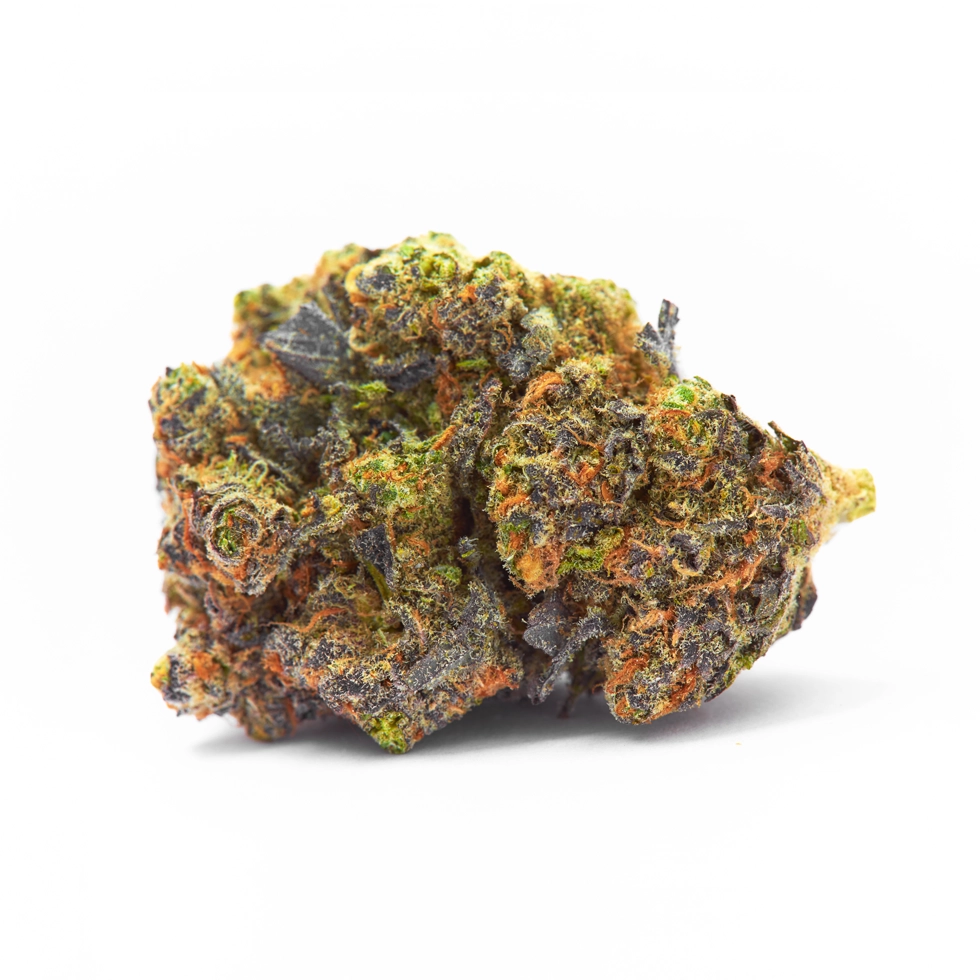
That’s the core reason product form matters. A tincture or capsule may deliver THCA without much conversion in the digestive tract, while a smoked or vaped product is already on the fast track to turning THCA into THC.
People sometimes ask whether THCA is “legal THC.” The more honest answer is that legality depends on hemp sourcing, how the product is made, and how the final measurable THC is defined and tested. Effect intensity depends on conversion, dose, and product formulation. Both can be true at the same time, and it is one reason shopping for thca products sold near me can feel like detective work.
The main expectation to set is this: THCA products can feel psychoactive for some users, especially at higher doses or with products that convert more readily. For others, it feels more subtle, more body-focused, and less “heady.” Your experience will depend on dose, route of administration, and the cannabinoid and terpene blend.
The dosing problem: THCA is not a single, universal experience
When people say “I took one gummy,” they are describing a dose without describing the actual THCA amount delivered. Two gummies can look identical in a photo and still differ significantly in potency. Even within the same brand, the way a person reacts can vary depending on whether they ate beforehand, how quickly their metabolism moves, and whether they tend to feel cannabinoids strongly.
So when you’re choosing among thca products, don’t treat “one serving” as a fixed unit of predictability. Treat it as a starting point that you validate.
Start low, even if you’re experienced with THC
If you use THC regularly, it’s tempting to jump right into THCA because it sounds close enough. But THCA and THC do not always land the same way. Some people get a mild, slow-building effect from THCA, then realize they overshot only after it hits. Others feel barely anything until they adjust the dose upward.
If you are new to cannabinoids, or you have never tracked how you personally respond, start with conservative dosing. You can always move up. It is much harder to “undo” a dose once the effect is in motion.
Dosage ranges that actually help you plan
Because products vary, you can’t copy a stranger’s dose and expect the same result. What you can do is use dosing bands based on how many milligrams of THCA you are actually consuming, then adjust in small increments.
Below are practical starting ranges I’ve seen work for many people, whether they are choosing hemp derived thca products for daytime calm or evening relaxation. Treat these as planning targets, not guarantees.
- First-time, edible (gummy, capsule, chocolate): 5 to 10 mg THCA, then wait and reassess
- First-time, sublingual/tincture: 5 to 10 mg THCA, hold under the tongue if the label suggests it, reassess
- Experienced with THC but new to THCA: 10 to 20 mg THCA, then titrate slowly
- Higher-tolerance (only after consistent tracking): 20 to 40 mg THCA, with caution around sleep and next-day grogginess
- Avoid “stacking” on day one: do not combine multiple products to reach your target dose in one evening
The key is the “wait and reassess” part. Edibles can take longer than people expect, especially if you ate a full meal. Even with faster-acting formats, the first hour often tells you only part of the story.
How long THCA effects take (and when to avoid redosing)
One of the most common dosing mistakes is correcting too early. People feel something minor at the 20 to 30 minute mark and decide they need more, only to get hit later.
The timing varies by product form and individual digestion, but here are realistic expectations people tend to report:
For edibles, a modest effect can start around the first hour, with fuller effects often in the one and a half to three hour window. Peak intensity can land later than many users anticipate. If you redose during the early phase, you can easily overshoot.
For sublingual and tincture formats, people often feel effects sooner than edibles, sometimes within 15 to 45 minutes. Even then, I recommend waiting long enough that you can see whether you’re trending mild, moderate, or too strong.
If you’re shopping for thca products near me and picking up whatever looks convenient, timing becomes even more important. Convenience shortcuts dosing discipline.
A practical rule: plan your dose, give it the full window to develop, and adjust next time instead of the same day.
What effects people commonly report from THCA products
THCA is not one-dimensional. Even when the product is marketed as “THCA only,” real-world products may include other cannabinoids and terpenes, and those can change the vibe. Your nervous system also matters: stress, sleep debt, and whether you’re sensitive to cannabinoids all influence the outcome.
That said, a number of patterns show up in real user feedback.
Body relaxation versus “head” effects
Many users describe THCA as more body-oriented than delta-9 THC at comparable perceived intensity. They may notice muscle looseness, a calmer sensory feel, or reduced tension. Some people also report mental quiet, but not always with the same clarity impairment as THC.
For others, THCA feels surprisingly psychoactive, especially at higher doses, when the product converts more readily, or when they are using it in a format closer to THC delivery.
Sleep support
A common use case for hemp derived thca products is sleep. People often say it helps them fall asleep or reduces restlessness. The trade-off is that higher doses can bring next-day grogginess or vivid dreams. That’s not a guarantee, but it’s common enough to plan around it.
If you need to wake up early, start at the low end and avoid stacking with other sedating substances.
Stress and mood shifts
Some users reach for THCA for day-to-day stress. Effects can range from mild calm to more noticeable emotional flattening. If you’re prone to anxiety, start low. Cannabinoids can feel grounding for some and amplify uncomfortable sensations for others, especially at higher doses.
Appetite and dry mouth
Some THCA products can cause appetite changes and dry mouth, particularly if the effect profile leans more THC-like. It’s not universal, but if you notice it, hydrate and adjust dose next time rather than chasing the feeling with repeated dosing.
The trade-offs: what you gain, and what you might not like
If you want THCA effects that are gentle and predictable, you’re going to care about product quality, dose discipline, and timing. You also need to accept trade-offs.
More cannabinoids can mean more variables
A product labeled as “THCA” may still contain other cannabinoids, or it may use a blend that shifts the overall effect. That can be beneficial, but it complicates your ability to identify what caused a particular outcome.
If you’re sensitive, consider starting with a simpler formula so you can learn your response.
Dose creep is real
Even people who start low often fall into a pattern of increasing over time. That can happen because the first experience felt too mild, because life got more stressful, or because you didn’t notice you were building tolerance. With cannabinoids, tolerance and sensitivity can both fluctuate.
If you notice you’re needing dramatically more to get the same effect, it’s worth taking a reset approach and reviewing your dosing schedule.
Edibles can be slower and harder to control
Edibles are popular because they’re convenient, but they are less forgiving. Once they kick in, you can’t dial them back quickly. That’s why disciplined waiting matters so much.
What to look for when buying thca products (and why “near me” is not enough)
A lot of shoppers search “thca products near me” and think the main variable is convenience. In practice, the differentiator is usually formulation and testing transparency.
The best thca products for you are not necessarily the strongest ones. They’re the ones that consistently match the label and fit your desired experience, whether that’s calm focus, sleep, or physical relaxation.
When you evaluate a product, focus on details that affect reliability:
- Third-party lab testing (COA) that matches the batch Look for a certificate of analysis that corresponds to the product you are buying. If a brand provides clean data and makes it easy to find, it’s a good sign.
- THCA amount per serving clearly stated “Proprietary blend” without milligrams makes dosing guessy. You want milligrams you can track.
- Total THC and how it’s measured Even with “THCA” products, you may see total THC or references to conversion. This matters for both expectations and tolerance.
- Formulation and additional cannabinoids A THCA product with extra cannabinoids may feel different than a THCA-forward product. Decide whether you want that complexity.
- Your route of use Tincture, capsule, gummy, or inhaled formats behave differently. Pick based on how you want the effect to arrive.
If you’re specifically trying to find hemp derived thca products, also consider the sourcing story. Hemp sourcing is not just marketing. It affects how the product is made and what compliance standards are followed.
Reading labels without getting trapped by marketing
Some packaging phrases can sound reassuring while hiding the real dosing thca products work. The most important label number is the milligram amount of THCA per serving. Everything else is context.
If you see a serving size that feels oddly large, ask yourself whether you will actually use that amount. Some people take the recommended dose exactly, and those people may be more likely to report “this hit me too hard.” Others split doses and report better consistency.
Also pay attention to how a tincture is described. Some tinctures are measured by the bottle’s dropper volume, others by milligrams. If the dropper does not clearly translate to THCA milligrams, dosing becomes guesswork.
A practical way to avoid being misled
If a brand lists THCA per serving but also emphasizes “immediate relaxation” or similar claims, remember that timing is biology, not advertising. Your body decides when the compound ramps up.
If you want a predictable experience, track it for a week. Use the same format, similar meal timing, and the same dose for at least a few sessions before changing variables.
Examples: what “good results” look like for different people
People often want a story that matches their goal, not a dosing lecture. Here are a few real-world style scenarios to help you map expectations.
Example 1: the early-night sleep user
A person who struggles to stay asleep takes 10 mg THCA in the evening, after dinner. They feel mild relaxation around an hour in, and sleep improves that night. The next time, they try 15 mg and notice deeper calm but also slightly heavier morning grogginess. They settle around 10 to 12 mg and keep it consistent.
This pattern is common because they are using THCA for sleep, not for maximum intensity. They benefit from staying in the low-to-moderate band.
Example 2: the daytime stress user who gets surprised
Another person wants daytime calm and takes 10 mg in the afternoon. They feel more sedated than expected and become less productive. They adjust by moving to 5 mg and taking it earlier, or they switch to a smaller dose with more caffeine and water on board, depending on their tolerance.
This is not failure. It’s the dose response doing its job. Cannabinoid sensitivity is personal, and “daytime” often requires less than people assume.
Example 3: the experienced THC user who thought THCA would feel identical
Someone who regularly uses THC takes a high THCA dose expecting the same punch. Instead, they get a slower ramp and a more body-focused calm, but the mental effects feel different. They also experience appetite changes and dry mouth. They reduce the dose next time and get the experience they wanted with less disruption.
This is why “best thca products” for one person may not be best for another. Even experienced users still need adjustment.
How to titrate: a simple approach that keeps you honest
https://www.ounceofhope.com/thca/The safest way to dial in THCA is titration, which is just gradual adjustment based on your response.
Here’s how it typically works in practice: you start low, record what happened, and adjust by small increments next time. Avoid changing everything at once. If you switch brands and formats and doses simultaneously, you will never know what actually caused the change.
If you keep a log (notes app works fine), include dose in milligrams, time taken, whether you ate, what you felt, and how long it lasted. After a few sessions, you’ll stop guessing. You’ll see your personal effect curve.
Common edge cases that affect THCA experiences
THCA can feel inconsistent when other factors change. These are the edge cases I see most often:
Food timing makes a big difference with edibles. A heavy meal can delay onset and sometimes make effects feel more intense once they arrive.
Hydration and sleep debt matter. If you’re severely tired, cannabinoids may feel stronger. If you’re dehydrated, dry mouth and “too much” sensations can show up faster.
Other substances can blur the picture. Alcohol, new prescription meds, or sedating antihistamines can stack effects. If you are on any medication, be cautious and consider speaking with a clinician, especially if you are trying higher doses or daily use.
Finally, expectations matter more than people like to admit. If you are tense about whether it will “work,” you may interpret mild sensations as a sign to redose. That’s where overeating the dose happens.
Legal and compliance reality check (without pretending it’s simple)
People search “thca products near me” because they want something accessible. Access is one side of the story. Compliance is the other.
Hemp derived thca products may be available widely, but legality can vary by state and by how the product is tested and classified. Even when a product appears in a local shop, it does not mean every product is treated the same way everywhere.
The most responsible approach is to check local rules and focus on products that provide clear testing data. If a brand is vague or refuses to share batch information, that’s a red flag, regardless of how tempting the price looks.
Choosing between formats: tincture, gummy, capsule, and inhaled routes
Product form shapes your experience more than people expect. Even if the THCA milligrams are similar, the onset and intensity can differ.
Edibles often feel slower and smoother, but less controllable once you dose.
Tinctures and sublingual formats can be faster and sometimes feel more direct, but the routine matters. How long you hold it, whether you swallow immediately, and whether you take it on an empty stomach can shift outcomes.
Capsules can be consistent, especially if dosing is clearly labeled, but they can still be affected by digestion timing.
Inhaled routes are where conversion can be more immediate, which can move your experience closer to classic THC effects. If you are sensitive or cautious, avoid this route for first-time dosing. You want controllability, and inhaling is the opposite.
A short checklist before your first real session
If you’re ready to try THCA products and want to reduce the odds of an unpleasant surprise, use this pre-session checklist. Keep it simple, because your first mission is to learn your response.
- Confirm the THCA milligrams per serving and choose a conservative starting dose
- Take it at a time when you can wait and reassess without rushing
- Avoid combining with alcohol or other sedating substances
- Stay hydrated and note any dry mouth or appetite changes
- Record dose, time, food timing, and your subjective effects
That’s it. This is how you move from “trying random products” to actually dialing in the right fit.
What “best thca products” means in real life
The phrase best thca products gets thrown around like it’s only about potency. Potency is one ingredient, but it’s rarely the whole story.
For most people, “best” means:
A consistent label they can dose confidently, with third-party lab testing that makes sense.
A formulation that matches their desired effect, not just their curiosity.
A starting experience that doesn’t leave them uncomfortable or wiped out.
If you are searching for thca products sold near me, the best option is often the one where you can ask questions, see lab info readily, and verify that the product you are holding matches what the brand says.
If the store is vague or the packaging does not provide clear numbers, you may be paying for uncertainty.
Final expectations: what to hope for, and what to respect
THCA products can be effective for relaxation, sleep routines, and stress support. They can also surprise you if the dose is too high, the product converts more than expected, or you redose before you should.
The healthiest expectation is not “THCA will feel a certain way every time.” The healthier expectation is “I will learn how my body responds and adjust.” That’s where consistency comes from.
If you want, tell me what format you’re considering (gummy, tincture, capsule, or something else), the THCA milligrams per serving on the label, and your goal (sleep, daytime calm, pain relief, or curiosity). I can help you plan a conservative first dose and a titration path that minimizes the chance of overshooting.